

LAYOUT DEMO ONLY — NOT A PUBLISHED BUYING GUIDE. This sample post uses placeholder educational prose to test headings, photos, comparisons, scorecards, and FAQs. Product examples and scores are illustrative.
The following opening introduction shows the length and rhythm we could use for a real SmallSpaceScorecard buying guide. It quickly identifies the reader’s problem, states what will be covered, and makes the article easy to navigate. It also leaves room for an affiliate disclosure when a genuine article recommends products.
Imagine a compact apartment where every purchase has to earn its place. A chair can be attractive yet too deep for the walkway, and a storage unit can hold plenty while blocking a closet door. These examples illustrate the kind of concrete information the real article would provide. We would identify the space available, define the daily task, review size and construction details, and weigh the cost against alternatives. Readers deserve clear reasons for any recommendation and the freedom to reach a different conclusion.
Quick Answer: What Matters Most?
This section represents a short, search-friendly answer for readers who want the essentials right away. In a completed article, we would summarize the main buying criteria in two or three sentences, then expand on them below.
- Measure the usable floor area and the walking paths before choosing furniture.
- Check how the product works when doors, drawers, and folding parts are fully open.
- Look for verified information about materials, delivery dimensions, and assembly.
- Compare total cost, expected life, and suitability instead of price alone.
This demonstration paragraph is here to show realistic reading length, spacing, and type size on a finished article. A visitor should be able to scan the important points first, then settle into the details without facing an unbroken wall of words. In the final editorial version, each sentence will explain specific dimensions, product trade-offs, or practical decisions rather than merely occupying space. The sample is intentionally ordinary so that we can judge the design instead of being distracted by a sales pitch.
1. Start With the Space You Actually Have
Imagine a compact apartment where every purchase has to earn its place. A chair can be attractive yet too deep for the walkway, and a storage unit can hold plenty while blocking a closet door. These examples illustrate the kind of concrete information the real article would provide. We would identify the space available, define the daily task, review size and construction details, and weigh the cost against alternatives. Readers deserve clear reasons for any recommendation and the freedom to reach a different conclusion.
Measure the Room and Clearances
A realistic layout article should describe what to measure and why. Useful measurements include overall wall length, door swing, window placement, stairs or elevator access, and the remaining passage once a product is installed. The final buying guide could show a dimension diagram or a simple checklist here. This demonstration keeps the same paragraph length without inventing measurements or pretending a product has been installed.
For the finished site, a good section should usually open with a short answer, follow with a useful example, and finish with a practical takeaway. Subheadings break up more technical explanations and help readers return to a topic later. Numbers, verified product details, and citations would be added only after research and editorial approval. This draft is a visual prototype, not evidence of testing, a product ranking, or a claim that a particular item is the best purchase.
Think About Daily Movement
This demonstration paragraph is here to show realistic reading length, spacing, and type size on a finished article. A visitor should be able to scan the important points first, then settle into the details without facing an unbroken wall of words. In the final editorial version, each sentence will explain specific dimensions, product trade-offs, or practical decisions rather than merely occupying space. The sample is intentionally ordinary so that we can judge the design instead of being distracted by a sales pitch.
An item may fit its corner on paper but interfere with the route between a sofa and the kitchen. Ask where someone will stand while using it, whether drawers collide with other furnishings, and what happens when two people move around the room. This type of advice is particularly relevant to apartments and studios, where a few inches can make the difference between a comfortable layout and an awkward one.
2. Compare Function Before Appearance
Imagine a compact apartment where every purchase has to earn its place. A chair can be attractive yet too deep for the walkway, and a storage unit can hold plenty while blocking a closet door. These examples illustrate the kind of concrete information the real article would provide. We would identify the space available, define the daily task, review size and construction details, and weigh the cost against alternatives. Readers deserve clear reasons for any recommendation and the freedom to reach a different conclusion.
Prioritize the Job the Product Must Do
For the finished site, a good section should usually open with a short answer, follow with a useful example, and finish with a practical takeaway. Subheadings break up more technical explanations and help readers return to a topic later. Numbers, verified product details, and citations would be added only after research and editorial approval. This draft is a visual prototype, not evidence of testing, a product ranking, or a claim that a particular item is the best purchase.
A multipurpose piece should be judged by how well it performs its primary role, not by the number of features on a label. For example, a lift-top table may provide a work surface and storage, but the mechanism also has to be sturdy and convenient. A foldaway design can create more open floor space, yet may require several steps every day. In the real article, the advantages and limitations would be checked against reliable specifications.
Make Storage Easy to Use
This demonstration paragraph is here to show realistic reading length, spacing, and type size on a finished article. A visitor should be able to scan the important points first, then settle into the details without facing an unbroken wall of words. In the final editorial version, each sentence will explain specific dimensions, product trade-offs, or practical decisions rather than merely occupying space. The sample is intentionally ordinary so that we can judge the design instead of being distracted by a sales pitch.
- Everyday items should be reachable without moving other furniture.
- Deep compartments are useful only when stored contents remain accessible.
- Open shelves can look lighter, but closed cabinets may conceal visual clutter.
- A mechanism that saves space should not be unusually difficult to operate.
3. Example Comparison Table
This table demonstrates how we could compare alternatives without sending the reader to several product pages. All entries below are generic examples, not reviews or recommendations.
| Option | Space Fit | Daily Function | Main Trade-off |
|---|---|---|---|
| Compact sofa | Good in narrow rooms | Comfortable everyday seating | Less seating capacity |
| Storage ottoman | Flexible placement | Seating plus storage | Storage access varies |
| Fold-down desk | Frees floor area | Occasional workspace | Wall mounting may be needed |
| Narrow shelving | Uses vertical space | Visible accessible storage | May need anchoring |
For the finished site, a good section should usually open with a short answer, follow with a useful example, and finish with a practical takeaway. Subheadings break up more technical explanations and help readers return to a topic later. Numbers, verified product details, and citations would be added only after research and editorial approval. This draft is a visual prototype, not evidence of testing, a product ranking, or a claim that a particular item is the best purchase.
4. Our Four-Part Small-Space Scorecard
This is a structural preview of the site’s established evaluation method. The scores below are placeholders only; a real scorecard will cite the facts and assumptions supporting each category.
Space Fit
Sample score: 4/5 (illustrative). A real score would consider dimensions, clearance, layout flexibility, and how the item fits typical small-home constraints. We should distinguish a product that merely fits from one that leaves enough room for daily life.
Real-World Function
Sample score: 3/5 (illustrative). We would assess how easy the furniture is to operate, whether storage and seating remain comfortable, and whether advertised features solve an actual problem. Manufacturer statements and verified owner feedback may inform the comparison, without implying that we performed hands-on testing.
Quality / Durability
Sample score: 4/5 (illustrative). The eventual assessment would consider published materials, construction details, warranty terms, replacement parts where relevant, and reliable long-term owner reports. Unknown information should be marked clearly instead of guessed.
Value
Sample score: 3/5 (illustrative). Value is not the lowest sticker price. It includes useful function, expected service life, delivery costs, care requirements, and how well the product solves the reader’s needs within a budget.
Example overall score: 14/20. DEMO NUMBER ONLY. This illustrates how a score might appear; it is not a real rating or endorsement.
5. Common Mistakes Worth Avoiding
Imagine a compact apartment where every purchase has to earn its place. A chair can be attractive yet too deep for the walkway, and a storage unit can hold plenty while blocking a closet door. These examples illustrate the kind of concrete information the real article would provide. We would identify the space available, define the daily task, review size and construction details, and weigh the cost against alternatives. Readers deserve clear reasons for any recommendation and the freedom to reach a different conclusion.
- Buying before confirming room and doorway measurements.
- Choosing an attractive finish while overlooking durability or upkeep.
- Assuming every multi-use product will be convenient for daily use.
- Ignoring shipping, return, and assembly details.
- Treating promotional photos as proof of true scale.
This demonstration paragraph is here to show realistic reading length, spacing, and type size on a finished article. A visitor should be able to scan the important points first, then settle into the details without facing an unbroken wall of words. In the final editorial version, each sentence will explain specific dimensions, product trade-offs, or practical decisions rather than merely occupying space. The sample is intentionally ordinary so that we can judge the design instead of being distracted by a sales pitch.
6. Practical Example: One Small Living Area
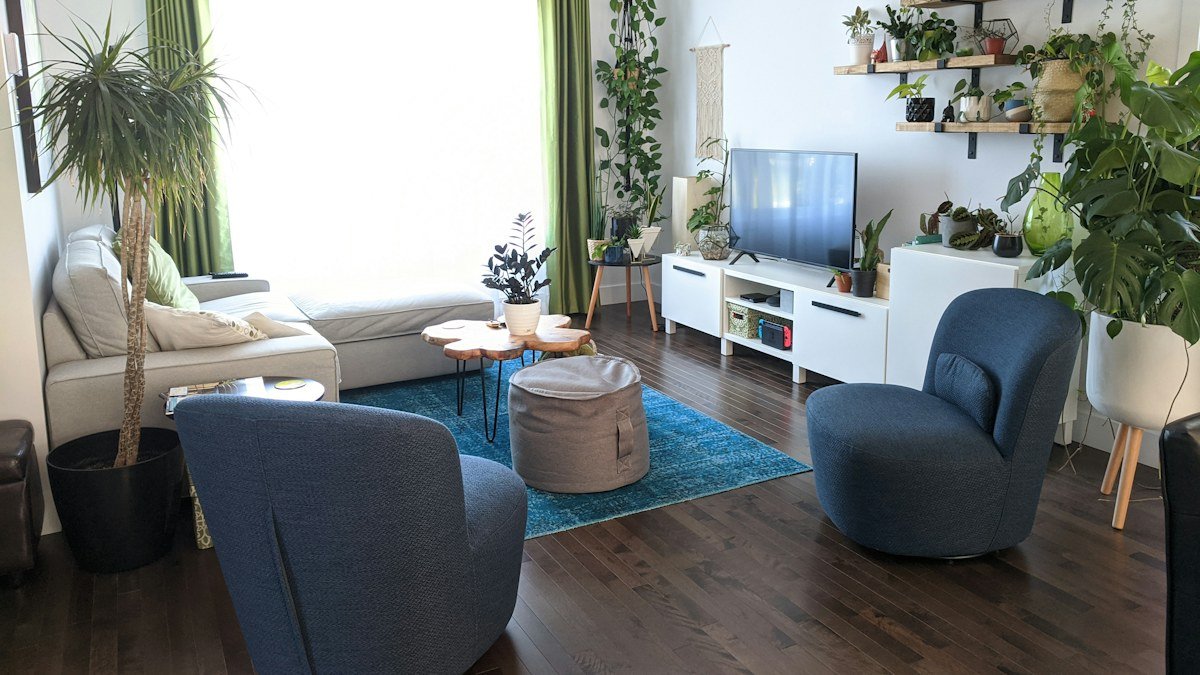
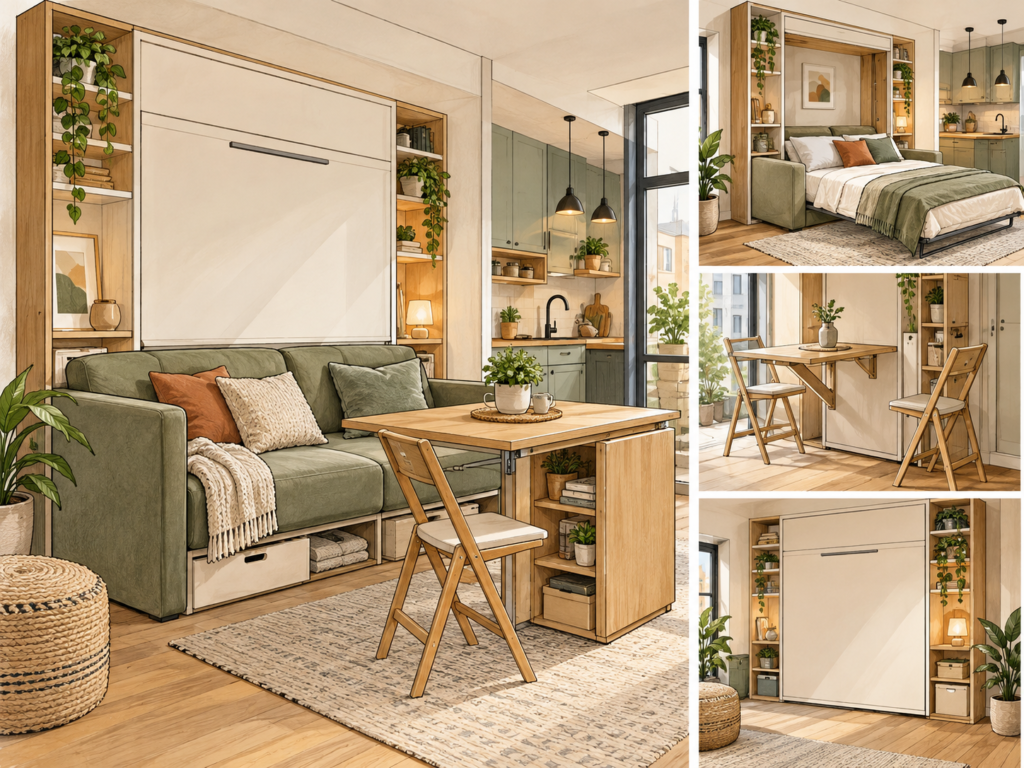
Imagine a single room that needs to support reading, occasional work, everyday relaxation, and a little extra storage. The purpose of this scenario is to show how a future post could apply the scorecard in a real decision. Before recommending anything, we would document the available space, budget, use patterns, and practical limitations.
The Situation
Imagine a compact apartment where every purchase has to earn its place. A chair can be attractive yet too deep for the walkway, and a storage unit can hold plenty while blocking a closet door. These examples illustrate the kind of concrete information the real article would provide. We would identify the space available, define the daily task, review size and construction details, and weigh the cost against alternatives. Readers deserve clear reasons for any recommendation and the freedom to reach a different conclusion.
The Decision Process
First, define the one function that cannot be compromised. Next, identify realistic dimensions, then compare two or three types of furniture that could serve the same purpose. For each alternative, write down the strongest advantage, the biggest drawback, and any unanswered questions. In a finished case study, a reader would see the reasoning behind the choice rather than a claim that one item works for everyone.
For the finished site, a good section should usually open with a short answer, follow with a useful example, and finish with a practical takeaway. Subheadings break up more technical explanations and help readers return to a topic later. Numbers, verified product details, and citations would be added only after research and editorial approval. This draft is a visual prototype, not evidence of testing, a product ranking, or a claim that a particular item is the best purchase.
7. Buying Checklist
A checklist belongs near the end because it gives readers something actionable after they have absorbed the advice. The finished article could turn these questions into a downloadable guide, but this version is purely a formatting example.
- Have I recorded the product width, depth, height, and required clearance?
- Will it pass through the entrance and reach the intended room?
- Can I use every drawer, door, or mechanism without shifting other objects?
- Are construction materials, support limits, and care instructions clear?
- Do I understand delivery fees, returns, and the warranty?
- Does the product solve the important problem better than a simpler alternative?
This demonstration paragraph is here to show realistic reading length, spacing, and type size on a finished article. A visitor should be able to scan the important points first, then settle into the details without facing an unbroken wall of words. In the final editorial version, each sentence will explain specific dimensions, product trade-offs, or practical decisions rather than merely occupying space. The sample is intentionally ordinary so that we can judge the design instead of being distracted by a sales pitch.
Watch It in Action: A Transforming Murphy Bed
Video example: This manufacturer demonstration from Expand Furniture shows a sofa-and-wall-bed combination changing between seating and sleeping arrangements. Watch the mechanism and consider the clearance needed when the bed opens. This is an illustration, not a product endorsement or hands-on test.
Video: Expand Furniture — MurphySofa Clean demonstration. Manufacturer video shown for illustration.
Frequently Asked Questions
How much room should I leave around furniture?
This demonstration answer shows what a concise FAQ looks like. The actual answer depends on the furniture, circulation route, and accessibility needs. A real article would supply relevant guidelines with careful context, not an invented one-size-fits-all measurement.
Is multifunctional furniture always better in a small apartment?
No. Extra functions add value only when they work smoothly and meet a real need. A simpler product may provide more comfort, last longer, or cost less while using a similar footprint. The finalized answer would provide examples and evidence.
Should I choose open shelves or closed storage?
The appropriate choice depends on access, appearance, cleaning, and the objects being stored. Open storage can keep frequently used items visible; closed storage can reduce visual clutter. Many homes benefit from a mix. This paragraph is meant to show the expected length of an FAQ response.
What is the best budget for a small-space upgrade?
There is no single best budget for every household. A useful buying guide would organize alternatives by realistic price ranges and show what changes as the budget increases. This demonstration intentionally avoids citing market prices that have not been researched.
Final Thoughts
A successful article should end by reminding readers of the decision criteria and connecting them to the next useful resource. For SmallSpaceScorecard, the core question remains simple: will this actually work in my space, and is it worth buying? Good design can help that question stand out without hiding important caveats.
For the finished site, a good section should usually open with a short answer, follow with a useful example, and finish with a practical takeaway. Subheadings break up more technical explanations and help readers return to a topic later. Numbers, verified product details, and citations would be added only after research and editorial approval. This draft is a visual prototype, not evidence of testing, a product ranking, or a claim that a particular item is the best purchase.
End of demonstration post. Images are existing site assets. This article is not intended for publication.
